Fast-Paced vs Slow-Paced Casino Games Compared
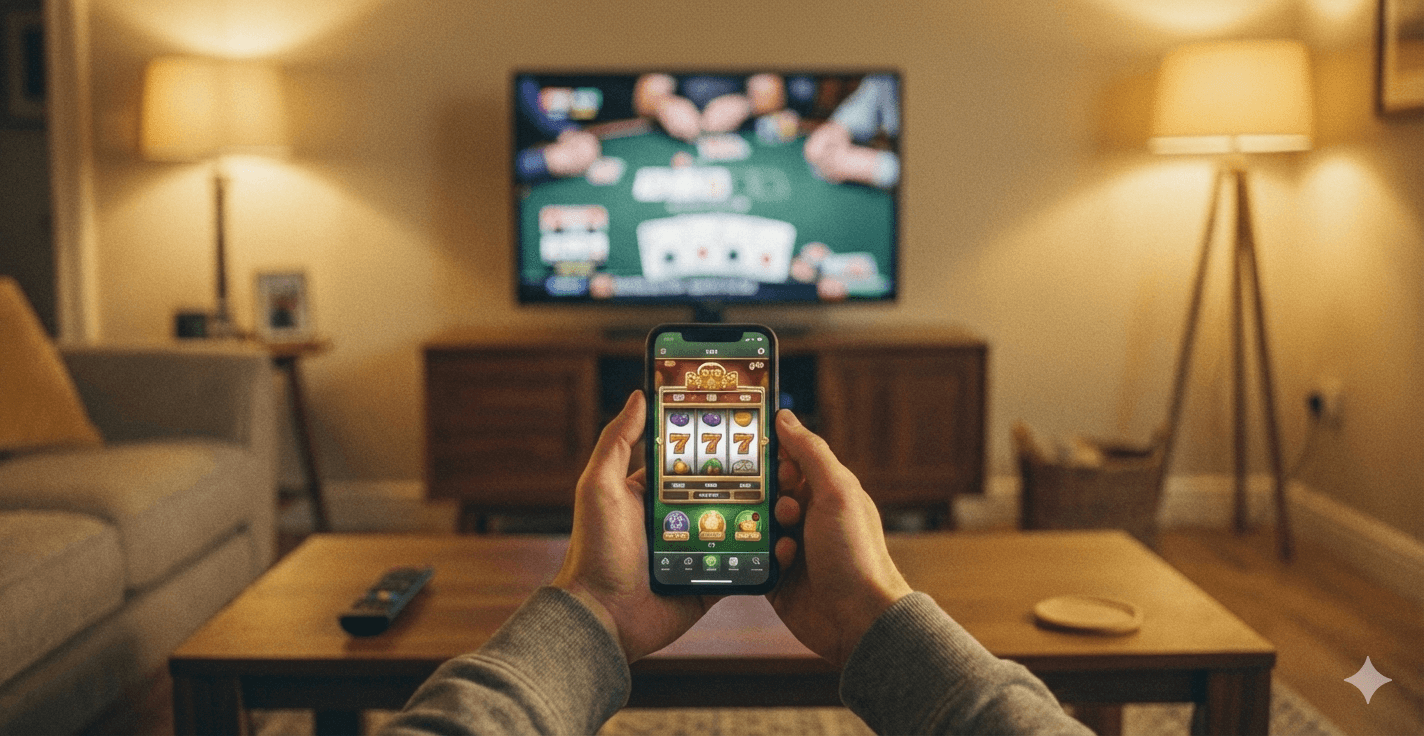
Fast games burn through bets fast. Slow games give you room to breathe. This guide breaks down the vibe, trade-offs, and simple picks so you can match the pace to your mood and bankroll.

Fast games burn through bets fast. Slow games give you room to breathe. This guide breaks down the vibe, trade-offs, and simple picks so you can match the pace to your mood and bankroll.

Blackjack sessions can change quickly.
A player might start a night losing several hands in a row, watching their chip stack slowly disappear. Then suddenly the cards shift, and what looked like a terrible session becomes an incredible comeback.
These moments are unforgettable.
Because blackjack moves quickly, fortunes can change in just a few hands. A few strong cards, a dealer bust, or a perfectly timed double-down can reverse a losing streak and create a dramatic turnaround.
This guide explores the best blackjack comeback stories ever and explains what players can learn from these incredible moments.

Two people can sit at the same jackpot game and play for completely different reasons.
One is there for fun, pacing bets and enjoying the experience. The other is there with a plan, a large bankroll, and the ability to absorb long losing streaks. These differences explain why casual players and high rollers approach jackpots in very different ways — and why copying the wrong style can be costly.
This guide breaks down how each group thinks, bets, and manages risk, so you can choose an approach that actually fits you.

Craps is one of the most exciting games in the casino.
It’s also one of the easiest places to lose discipline.
High-pressure situations happen when:
the table is crowded
the dice are moving fast
people are yelling bets
chips are flying
and everyone wants in right now
That’s when mistakes happen.
This guide shows you how to stay calm, make clean decisions, and protect your bankroll when the pressure is high and the table energy is intense.

If you have never played baccarat before, here’s the good news: the game is simple. You are not making tricky decisions like “hit or stand.” You are mostly choosing a bet, watching the cards, and managing your bankroll.
Baccarat is a comparing game. Two hands are dealt, called Player and Banker, and you bet on which one will finish closer to nine. That is the whole point.

Casino myths spread because they feel true.
You see a long losing run and it feels impossible that it can continue. You see a machine hit a bonus and it feels like it is “hot.” You watch someone double up after a loss and it feels like they are taking control.
The problem is that casino games do not run on feelings.
They run on probability, payouts, and volume.
Math does not remove the fun, but it does remove the confusion. It tells you which beliefs are harmless superstition and which ones quietly cost you money by pushing you into chasing, overbetting, and misreading randomness.
This guide breaks down the most common gambling myths about odds and explains, in plain language, what the math actually says. The goal is not to shame anyone. The goal is to help you spot bad advice quickly and protect your bankroll.

You sit down to have fun, not to run a spreadsheet.
But halfway through the night, the fun disappears and it starts feeling like a mission to “get it back.”
That’s the problem with entertainment-first play without a plan.
When the session turns stressful, you stop playing for fun and start playing for relief.
This guide shows how to build a casino strategy around entertainment value.
You’ll learn how to define “fun” in a way that protects your bankroll, how to structure your session so enjoyment lasts, and how to avoid the biggest entertainment trap: chasing losses.

If you’re playing for real money, the house edge is the silent cost you pay for every hour you stay in the game. You don’t feel it on every hand, but over time it shapes how fast your bankroll tends to decline.
That’s why players often search for “low-house-edge games.” They want better value and more control over long-term losses. But there’s a catch: low house edge only stays low if you avoid common mistakes that quietly raise it.
This guide explains what house edge means, which game types can offer lower house edge, how to play them with real cash without turning them into high-risk sessions, and the rules that keep your play disciplined.

You’ve probably felt it before.
Two providers can both offer “96% RTP” slots, yet one feels smooth and forgiving while the other feels brutal and swingy.
That difference isn’t just luck.
It’s the provider’s math model—the hidden design that controls how wins and features are distributed over time.
This guide explains how mathematical models define a provider’s game style in plain language.
Once you understand the basics, you’ll pick games that match your bankroll and patience instead of guessing.

A strategy that works for one night can still fail over a month.
Not because the game changed, but because you changed—fatigue, mood, boredom, confidence, and life stress all stack up.
Long-term strategy isn’t about finding a magic system.
It’s about building something you can repeat without burning out, drifting upward, or turning losses into recovery missions.
This guide shows how to build a long-term strategy that supports sustainable play.
You’ll learn how to design stable rules, run multi-session planning, track only what matters, and build reset routines so your strategy holds up over weeks and months.