Bingo-Inspired Casino Games for Online Platforms
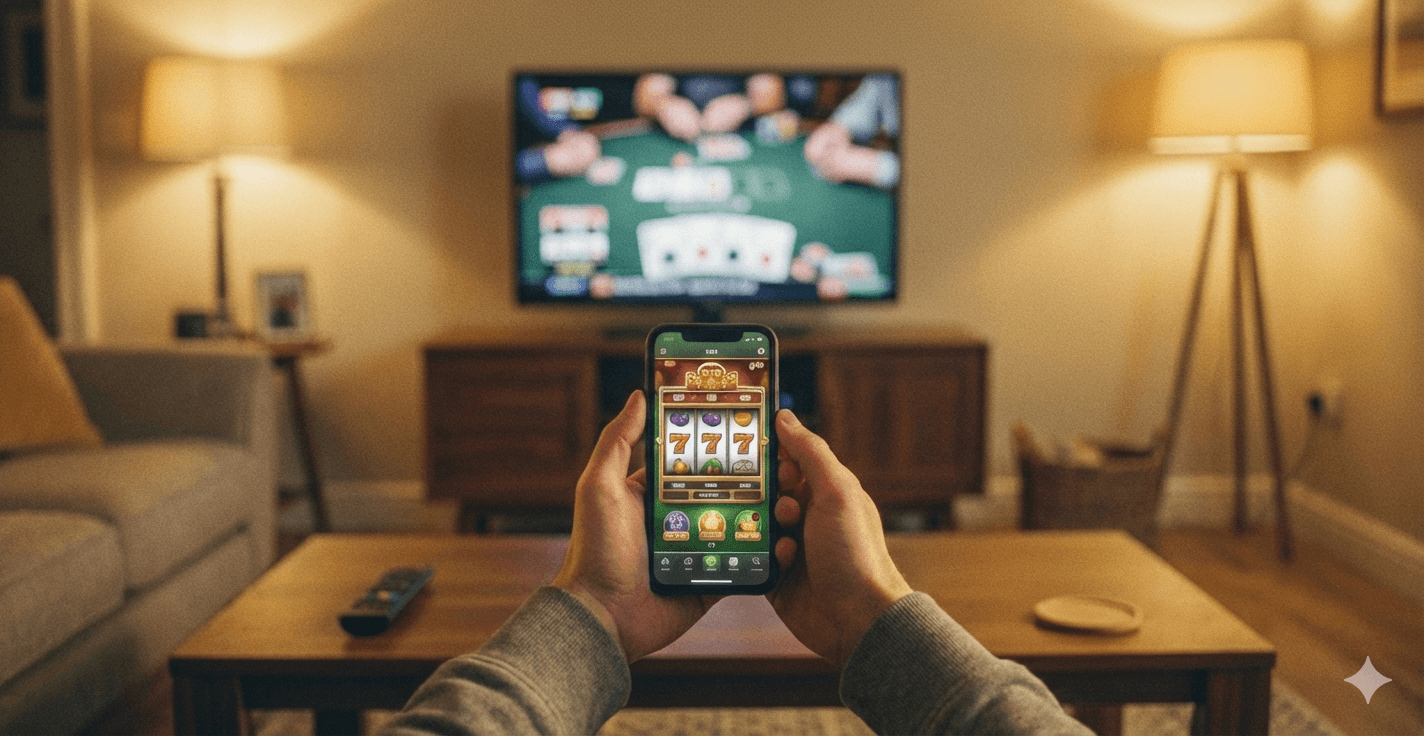
Bingo-inspired casino games bring bingo cards, patterns, and chat into quicker online play. Learn the main types and how to pick one fast without overthinking.

Bingo-inspired casino games bring bingo cards, patterns, and chat into quicker online play. Learn the main types and how to pick one fast without overthinking.

Roulette has been a classic in casino betting for centuries. The spinning wheel, the bouncing ball, and that moment of suspense—it’s all part of the thrill. But with technology stepping in, live roulette has changed the game. At MaxSpinz, we’re here to break down how live roulette differs from the traditional version you find at a land-based casino. Don’t worry, we’ll keep it simple, fun, and easy to follow.

Most gambling problems don’t start with a plan to lose control.
They start with an urge.
A spike of excitement.
A hit of frustration.
A “one more” feeling.
Mindfulness helps because it gives you a skill most gamblers don’t practice:
Noticing the urge before you act on it.
You don’t need to be a meditation person.
You just need a short pause that turns impulse into choice.
This article explains how mindfulness can improve gambling self-control, how it reduces chasing, and a few simple techniques you can use during real sessions.

Roulette is one of those classic casino betting games that feels fancy but is actually pretty simple once you get the hang of it. The spinning wheel, the bouncing ball, the cheers—it’s all part of the fun. But if you’ve ever noticed that half-moon section on the roulette table called the “racetrack,” you might’ve wondered what it’s all about. Here at MaxSpinz, we’re breaking it down in plain English so you can play smarter and enjoy the game more.

Therapy isn’t about being “broken.”
It’s about getting tools that actually work when willpower doesn’t.
Because gambling addiction isn’t just a money problem.
It’s often tied to:
stress relief
emotional escape
habit loops
impulsive decisions
shame and secrecy
Therapy helps by making those patterns visible, then teaching you how to change them step-by-step.
This article explains how therapy helps people with gambling addiction, what therapy usually looks like, and why it can make recovery feel more doable.

Gambling-related debt can feel heavy fast.
Not just because of the money.
But because it comes with stress, shame, and that dangerous thought:
“I need to gamble to fix this.”
That thought is the trap.
You can’t gamble your way out of gambling debt.
The safer path is the boring one:
stop the bleeding
face the numbers
build a plan
reduce triggers
rebuild slowly
This article shows how to handle gambling-related debt responsibly without spiralling, hiding, or chasing.

Most people don’t wake up and say:
“Today I’m going to develop a gambling problem.”
It usually shifts slowly.
Fun becomes “something to do.”
Then it becomes “something to fix my mood.”
Then it becomes “something I can’t stop thinking about.”
The hard part is this:
When gambling stops being fun, it often still looks normal from the outside.
This article will help you spot the change early—using simple warning signs that matter more than the size of your bets.

Ever notice that little countdown clock when you’re placing a bet or spinning a slot? That timer isn’t just there for decoration. It’s a sneaky little tool that shapes how we play, how long we stay, and sometimes even how much we spend. At MaxSpinz, we like to dig into how things like betting timers really work so you can make smarter choices next time you’re checking out a casino betting site or playing your favourite games online.

If you’ve ever said “one more spin” and meant it… then did ten more, you’ve felt dopamine at work.
Dopamine is not just a “happy chemical.” It’s the brain’s motivation signal. It pushes you toward things your brain thinks might reward you.
That’s why dopamine matters in gambling. A lot of gambling behaviour is not about logic. It’s about anticipation, urges, and the brain chasing a possible reward.
This article breaks down dopamine and gambling in plain language, plus simple ways to cool down urges before they take over.

Gambling doesn’t happen in a bubble.
Family life can shape gambling behaviour in ways people don’t always notice.
Things like:
stress at home
conflict
silence around money
secrecy
learned habits from parents
pressure to “provide”
feeling controlled or judged
None of this means family is to blame.
It means environment matters.
This article explains how family dynamics shape gambling behaviour, what common patterns look like, and what helps when family life is part of the trigger loop.