How Game Types Are Designed for Different Player Personalities
Different players want different casino vibes. Here’s how games are designed to feel chill, wild, social, or “I’m in control,” so you can pick what fits and have more fun.

Different players want different casino vibes. Here’s how games are designed to feel chill, wild, social, or “I’m in control,” so you can pick what fits and have more fun.
Arcade-style casino games are quick, tap-heavy mini-games like crash, Plinko, mines, and wheels. Learn how they work, why they’re everywhere right now, and what to check before you bet.
Crash games are quick, tense casino bets where you pick when to cash out. Here’s how they work, why they’re popular, and how to play without chasing losses.
Casinos don’t lay out games by accident. Here’s how they pick a mix of slots, tables, ETGs, and instant-win options, and how you can read the floor to find your best vibe. How Casinos Pick Casino Game Types for the Floor (Slots, Tables, More)Ever wonder why one casino is all slots and another is packed with tables? Here’s how casinos choose casino game types and what it means for you.
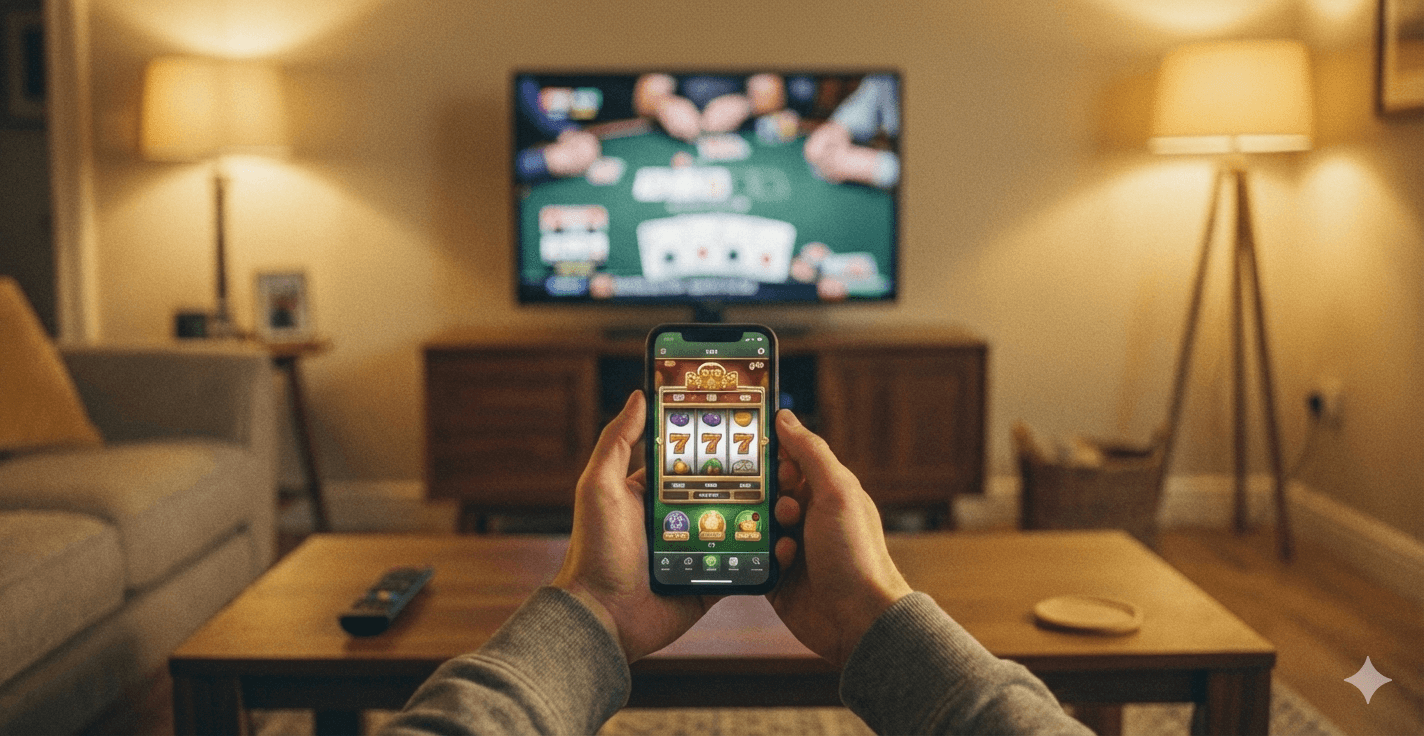
Table games and machine games both can be fun, fair, and fast. The real difference is how they play: control vs simplicity, social vs solo, and steady vibes vs wild swings. Here’s the quick, no-stress way to pick the right one for your night. Table Games vs Machine Games: Casino Game Types Explained Learn how table games differ from machine games: skill vs chance, speed, swings, and vibe. Quick tips to pick the right casino game type for you.
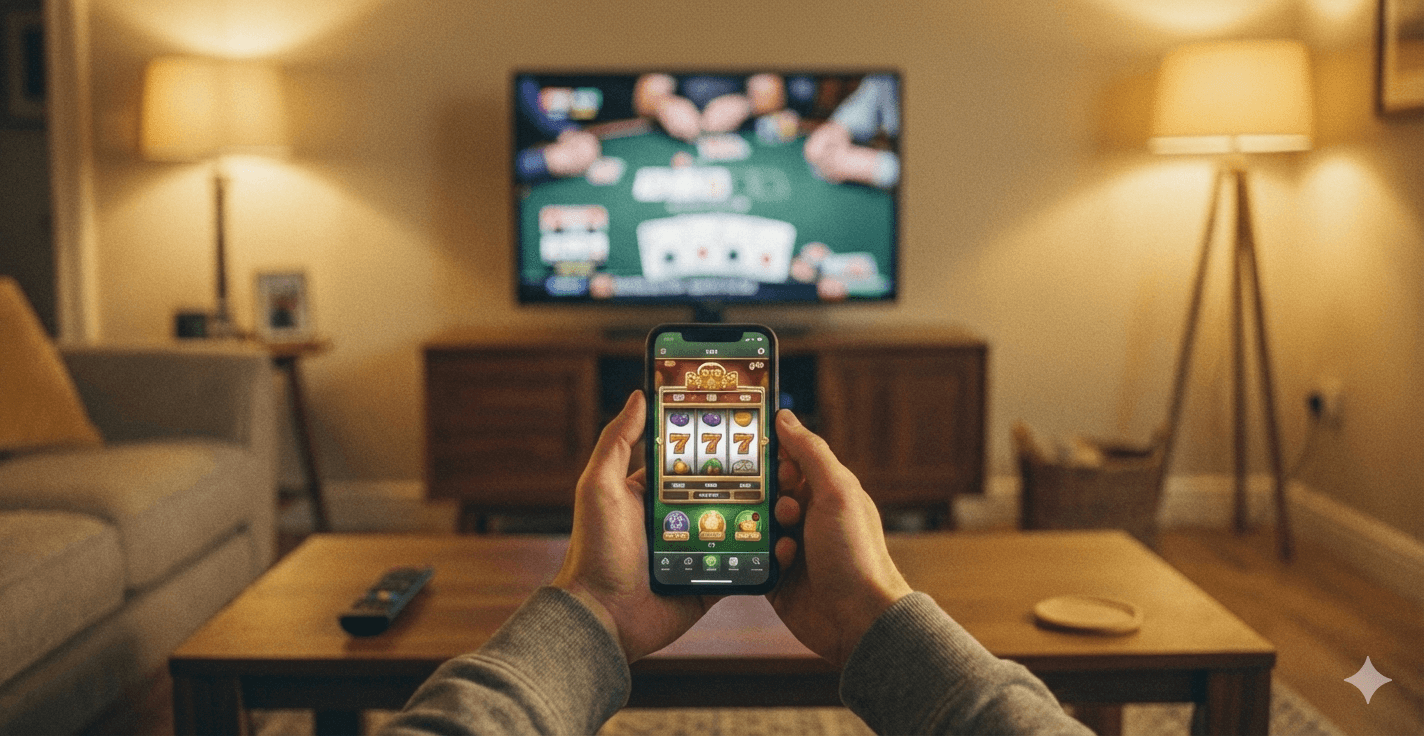
Electronic Table Games (ETGs) mix table-game bets with a simple screen setup. Learn how they work, RNG vs hybrid, and what to check before you bet. Electronic Table Games (ETGs) Explained | Casino Game Types Electronic Table Games (ETGs) are table games on screens. Learn RNG vs live, pros/cons, and the key rules to check before you bet so you don’t get burned.
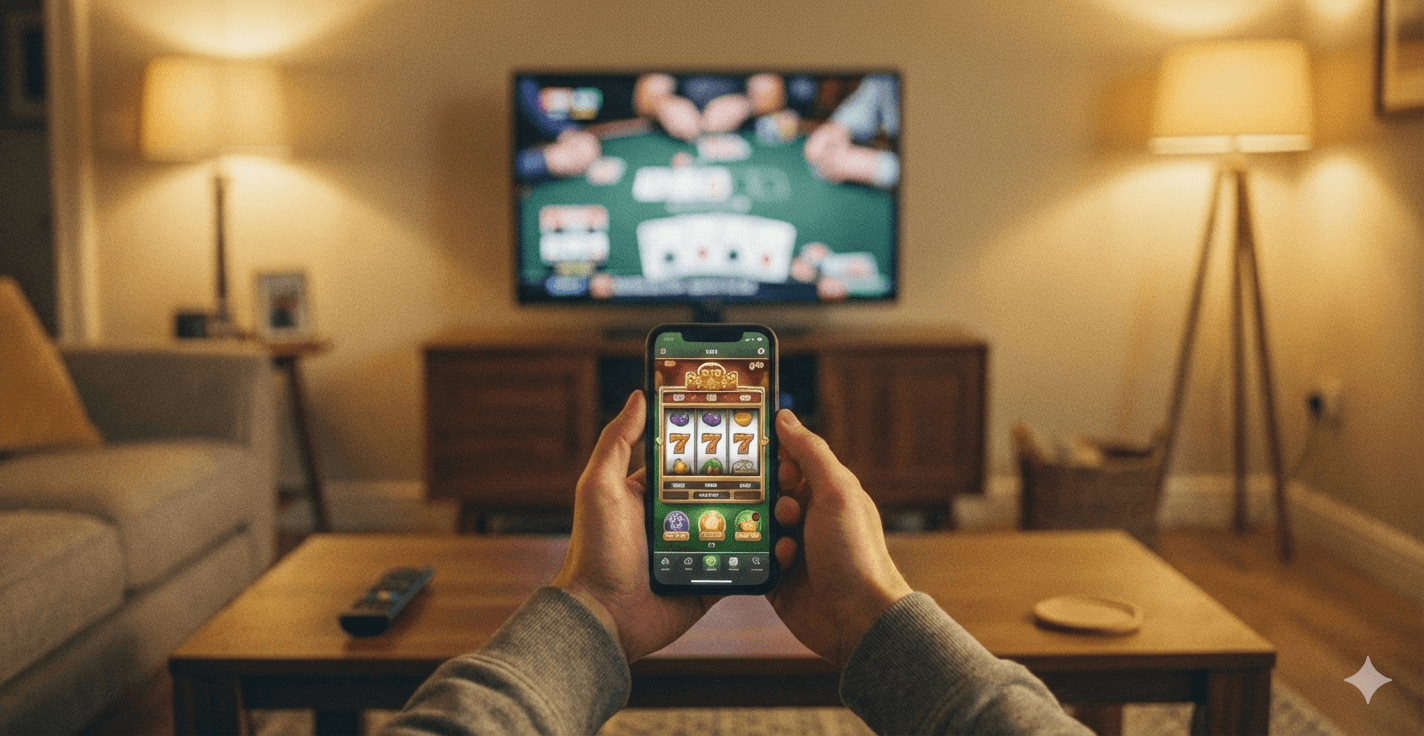
Sound can be more than background music. This guide breaks down audio-driven casino game types, how the cues change the pace, and how to pick a sound-first game without chasing the beeps.

Side bets are everywhere in blackjack—especially online.
You’ll sit down at a table and see extra options like:
Perfect Pairs
21+3
Lucky Ladies
Bust It
Hot 3 / Lucky 7
Any Pair / Any 21
They look exciting. They promise big payouts. And they can make a quiet blackjack session feel like something is “happening” every hand.
But there’s a tradeoff:
Side bets are usually higher house edge than the main blackjack game.
That means they can be fun, but they often cost more over time.
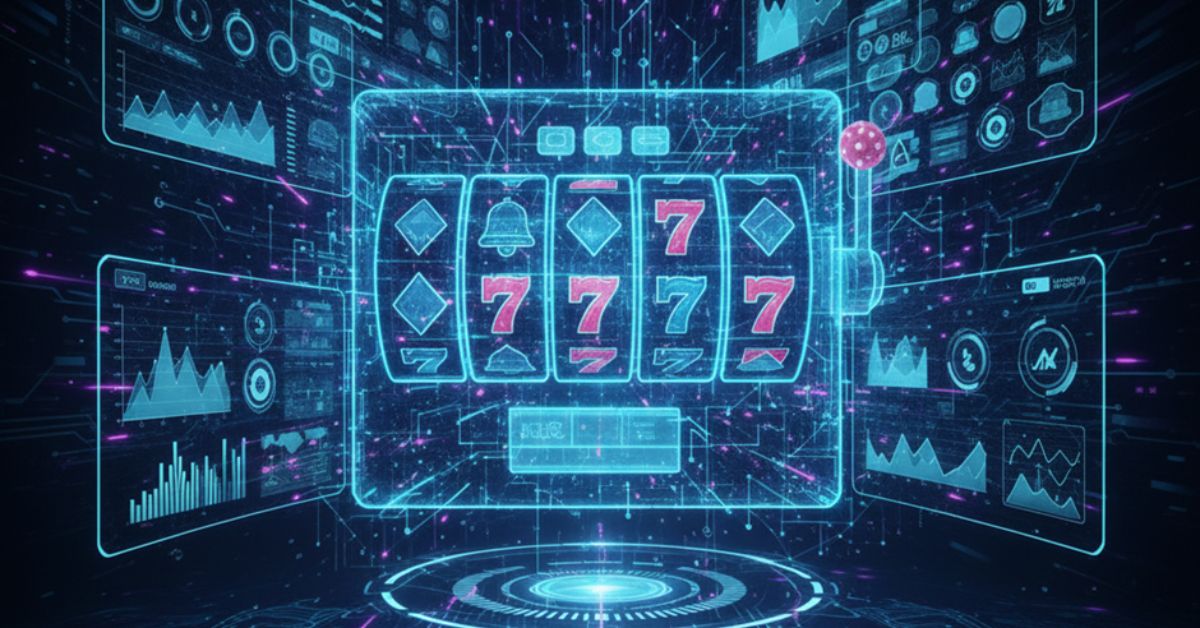
Some slot bonus rounds end in a dramatic way. The reels stop. The celebration plays. Then the game clearly shows a message like “Maximum Win Reached.”
For many players, this moment raises questions.
Why did the bonus stop? Was the win capped? Did the game block something bigger?
The answer lies in win limits.
Win limits are a normal and essential part of modern slot design. They do not reduce fairness, change odds, or manipulate results. Instead, they protect balance and ensure that games behave responsibly and predictably over time.
This article explains what win limits are, why they exist, how they work inside bonus rounds, and why they are necessary for both players and providers.
Many slot games include multipliers. A win might be doubled, tripled, or boosted by a much larger number during a bonus round. When this happens, the result feels dramatic and memorable.
Multipliers are one of the most powerful tools in slot design. But they are also widely misunderstood.
A multiplier does not increase the chance of winning. It does not make a slot more generous. Instead, it changes how value is delivered, not how value is calculated.
This article explains what bonus multipliers are, how they are structured, and why they feel so impactful without changing odds or fairness.