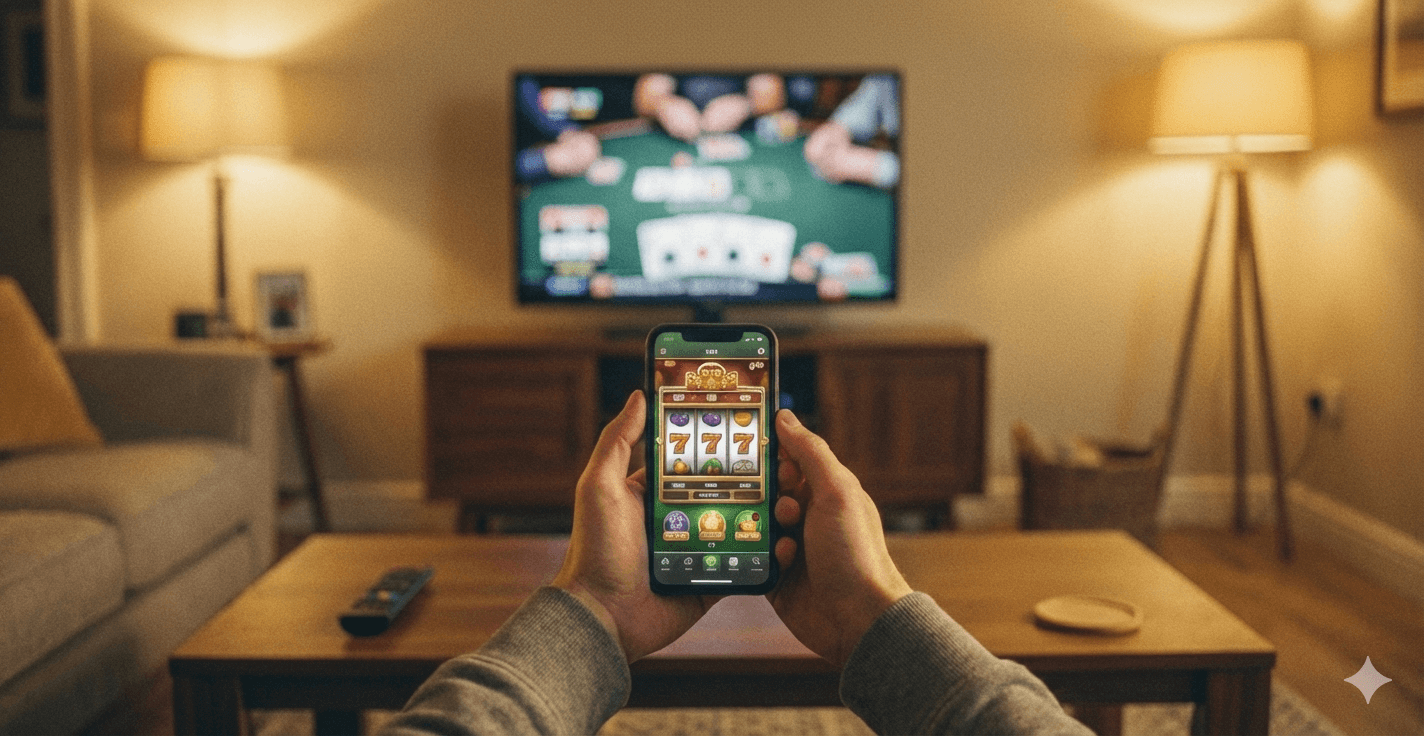
Online casino betting has changed the way people play. You no longer need to dress up, drive across town, and wait for a seat at the blackjack table. Today, you can jump into the action from your couch. MaxSpinz, your friendly guide for casino info, breaks down what makes online casino play so different from the old-school, land-based kind. Whether you’re curious about online casinos for real money or just want to play for fun, this guide has you covered.
You log into two casinos and notice something weird.
One has a provider’s newest releases. The other has older titles only.
Sometimes a game appears, then vanishes a month later.
That isn’t always a “bug” or a random casino decision.
A lot of it comes down to provider contracts—how providers and casinos agree on revenue, distribution, placement, compliance, and support.
This guide explains how provider contracts work with online casinos, what the most common contract terms usually cover, and what those terms mean for you as a player.
If you’ve ever wondered whether video poker machines can be “hot,” “cold,” or timed just right, this article clears it up. The short answer is simple: every video poker hand is determined by a Random Number Generator (RNG). The longer answer explains how that RNG works, when it’s used, and why player choices still matter even though randomness is involved.
Understanding RNGs removes guesswork, kills myths, and helps you play video poker with realistic expectations.
Casinos don’t ban players on a whim. When cheating is suspected, security teams follow structured processes designed to confirm facts, protect fairness, and avoid false accusations.
Most reviews start quietly in the background. Only when patterns cross clear thresholds do casinos step in.
This guide explains how security teams respond to suspected cheaters, what actions they take, and what players should expect during a review.
By the end, you’ll understand why investigations are methodical — not emotional.
Most overspending doesn’t start with a plan to spend more. It starts with “just one more.” One more spin, one more hand, one more deposit to try to end the session on a better feeling.
Real money games make this easy because the session moves fast. Wins and losses hit your emotions quickly, and your brain starts making decisions for relief instead of enjoyment.
This guide shows you the practical habits that prevent overspending: how to set session rules, how to avoid chasing, how to manage stake creep, and how to stop without feeling like you “quit.”
You don’t usually lose control on the first bet. You lose control later.
After you’re down, bored, or hyped up, when your rules start feeling “negotiable.”
That’s why most casino “strategies” fail. They’re not written down, they’re not specific, and they don’t survive pressure.
So the session becomes improvisation.
This guide shows how to create a strategy blueprint before you enter a casino, so you’re not inventing rules mid-session.
You’ll lock your goal, limits, switching rules, and stop points in a plan you can run every time.
The bubble is the most emotional stage in tournament poker.
It’s the moment right before the money, when one more elimination (or a few) turns “nothing” into a cash.
That pressure makes players do two extreme things:
fold way too much because they’re scared to bust
call too wide because they’re tired of folding
If you understand bubble dynamics, you can profit from both mistakes—without gambling recklessly.
You’re ready to try a casino for real money, but the cashier page says there’s a minimum deposit. Sometimes it’s small, sometimes it feels surprisingly high, and you’re left wondering if it’s a red flag.
Most of the time, minimum deposit rules aren’t about forcing you to spend more. They exist because payment methods have costs, casinos have processing rules, and some deposit types simply aren’t worth running below a certain amount.
This guide explains how minimum deposits work, why they vary, what affects them in real money play, and how to pick a first deposit that helps you test a casino without overspending.