Crash Games as a New Casino Game Category
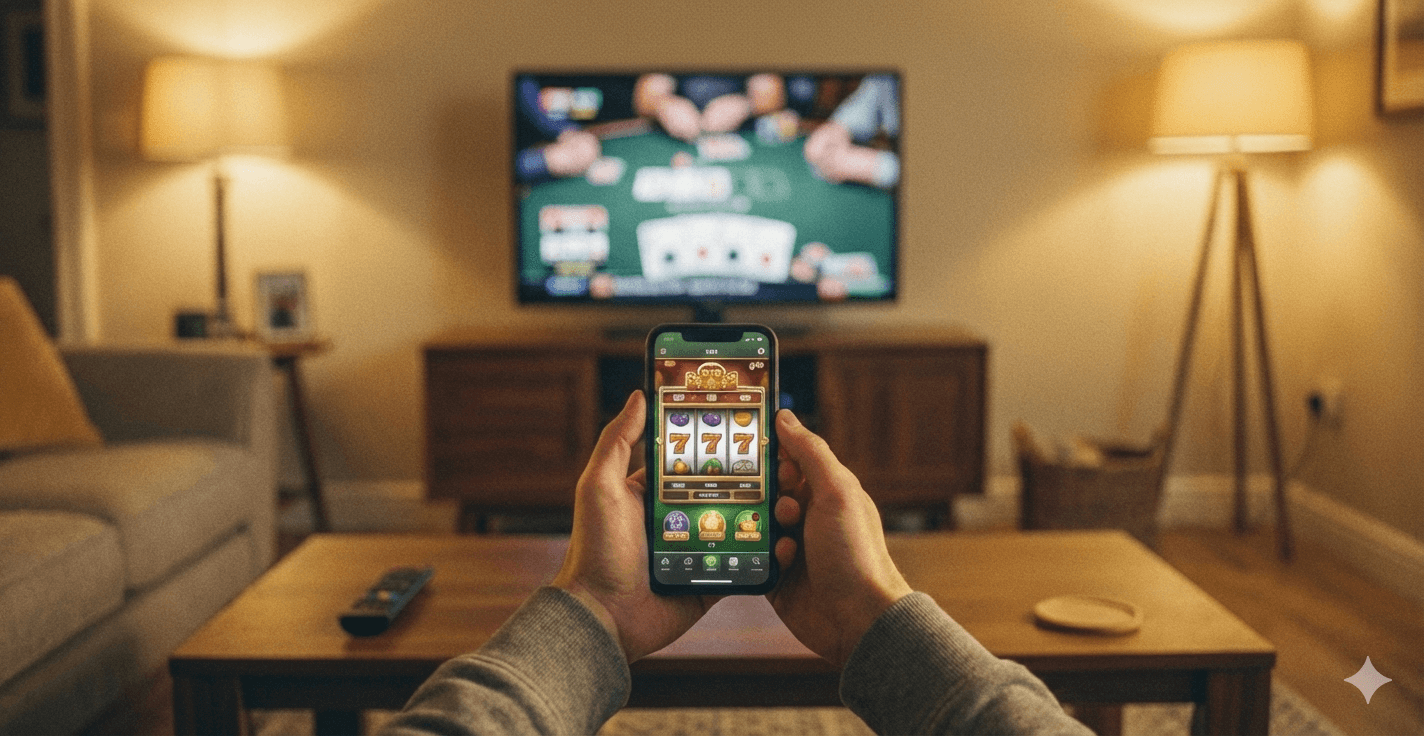
Crash games are quick, tense casino bets where you pick when to cash out. Here’s how they work, why they’re popular, and how to play without chasing losses.

Crash games are quick, tense casino bets where you pick when to cash out. Here’s how they work, why they’re popular, and how to play without chasing losses.

Most blackjack losses don’t come from bad luck.
They come from small, repeated mistakes that quietly add up:
choosing a bad table without realizing it
playing too fast
doubling or splitting emotionally
taking insurance “just in case”
chasing losses after a rough stretch
The good news is that these mistakes are fixable.

Self-exclusion is one of the strongest responsible gambling tools.
It’s not a “motivation” tool. It’s a barrier tool.
Meaning: it protects you even when you’re not feeling strong, calm, or confident.
If gambling is starting to feel stressful, urgent, or hard to control, self-exclusion can create the space you need to reset.
This guide explains how self-exclusion works, what happens when you activate it, and how to know if it’s the right move.

Most people blame gambling mistakes on “bad luck.”
But a lot of bad sessions come from something else:
You were tired. Stressed. In a weird mood. And your brain wasn’t making clean decisions.
Sleep, stress, and mood don’t just affect how you feel. They affect:
impulse control
patience
risk-taking
how you react to losses
how likely you are to chase
So if you want responsible gambling to actually work, this is one of the biggest “hidden” levers you can control.

A lot of gambling harm isn’t about one “bad night.”
It’s about routines that repeat.
Same time.
Same place.
Same mood.
Same app.
When gambling becomes a routine, it stops feeling like a choice.
It starts feeling automatic.
The good news is routines can be changed.
You don’t need perfect willpower. You need a plan to break the loop.
This article shows how to break unhealthy gambling routines by spotting your triggers, disrupting the habit pattern, and replacing gambling with something that actually helps.

You sit down to have fun, not to run a spreadsheet.
But halfway through the night, the fun disappears and it starts feeling like a mission to “get it back.”
That’s the problem with entertainment-first play without a plan.
When the session turns stressful, you stop playing for fun and start playing for relief.
This guide shows how to build a casino strategy around entertainment value.
You’ll learn how to define “fun” in a way that protects your bankroll, how to structure your session so enjoyment lasts, and how to avoid the biggest entertainment trap: chasing losses.

Self-exclusion is powerful.
But single-site self-exclusion has one big weakness:
You can switch to another casino.
That’s why multi-operator self-exclusion systems exist.
They’re designed to block access across multiple gambling operators, not just one account.
This article explains how multi-operator self-exclusion works, what it usually blocks, why it’s stronger than single-site tools, and when it’s the right move.

The thrill of casino gaming is undeniable, but as the industry grows, so does the responsibility to protect players from harm. Responsible gaming is about creating a safe environment where players can enjoy themselves without the risk of developing unhealthy gambling habits.
So, how do developers ensure that new games meet responsible gaming requirements? From built-in self-exclusion options to gameplay features that promote moderation, developers are working hard to create games that prioritize player well-being while still offering exciting experiences.
This guide explains how new casino games are designed to address responsible gaming standards and why these features are crucial for maintaining a safe and enjoyable gaming environment.

You sit down for “just a quick session” and suddenly an hour disappears.
Not because you’re reckless—because modern casino games are designed to keep you engaged.
Responsible gaming tools exist for one simple reason: control.
They help you slow down, set limits, and avoid the kind of session drift that turns fun into regret.
This guide explains how providers implement responsible gaming tools, where those tools usually show up, and what you can look for as a player when choosing safer, more reliable game environments.

You tell yourself you’ll play for 20 minutes, then you look up and an hour is gone.
Or you chase a loss “just to get back to even,” and suddenly you’ve spent more than you planned.
That’s not rare. That’s how gambling is designed to feel: fast, emotional, and easy to continue.
And it’s exactly why responsible gambling requirements exist.
This guide explains how regulators enforce responsible gambling rules, what casinos must provide, and how you can tell whether a casino is actually built for player safety or just pretending.